
Atelier
From Transformation to Transcendence: Ema Savahl’s 30-Year Journey of Fashioning the Goddess Within
From the austere landscapes of communist-era Albania to the luminous runways of Miami Beach Swim Week, Ema Koja has spent three…
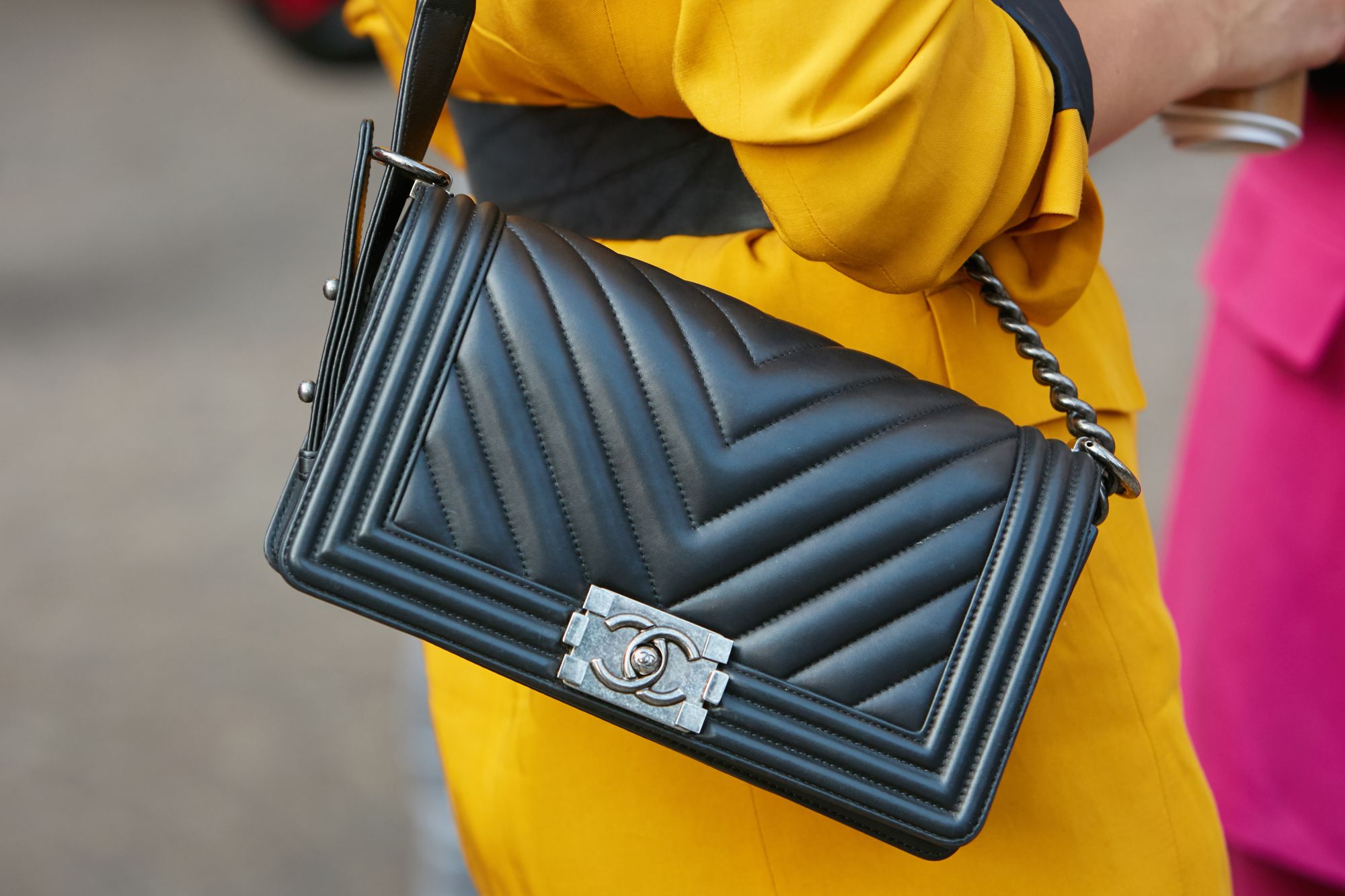
The rise of pre-owned luxury handbags is one of the most fascinating shifts in modern fashion—an intersection of aspiration, sustainability, and shrewd investing that has quietly…
The rise of pre-owned luxury handbags is one of the most fascinating shifts in modern fashion—an intersection of aspiration, sustainability, and shrewd investing that has quietly reshaped the global luxury market. Once regarded as a secondary option, the resale market has evolved into a formidable economic engine that not only democratizes access to high fashion but reinforces wealth-building strategies among affluent consumers.
At its foundation lies an elemental truth: luxury goods are built to last. Unlike fast fashion, Hermès, Chanel, and Louis Vuitton handbags are crafted to retain both aesthetic allure and structural integrity for decades. Scarcity amplifies desire—bags like the Hermès Birkin and Kelly, notoriously difficult to acquire firsthand, become attainable through the secondary market, which bypasses waiting lists and boutique relationships. Far from diluting exclusivity, resale amplifies it.
Technology has been pivotal. Platforms such as The RealReal, Fashionphile, and ReKlaim have transformed a fragmented, trust-based niche into a streamlined, authenticated global industry. Professional verification, detailed condition reports, and concierge-style services have elevated resale into an aspirational experience—blurring the line between "new" and "pre-owned." Sustainability further fuels the surge, particularly among younger affluent buyers who value circular economy principles. Yet what makes the trend powerful is its alignment with status: carrying a vintage Chanel flap signals not merely wealth, but taste, knowledge, and individuality.
Most compellingly, certain luxury bags have emerged as investment assets. Hermès Birkins have famously outperformed gold and the stock market in certain periods—a Birkin sold at Sotheby's in July 2025 for $10.1 million, the highest price ever achieved. For those with the resources to navigate this landscape, the pre-owned market offers not just access to beauty and craftsmanship, but a pathway to wealth itself. Ultimately, the rise of pre-owned handbags reflects a broader redefinition of luxury: it is no longer about owning something new—it is about owning something meaningful, rare, and valuable.
Chanel/Shutterstock
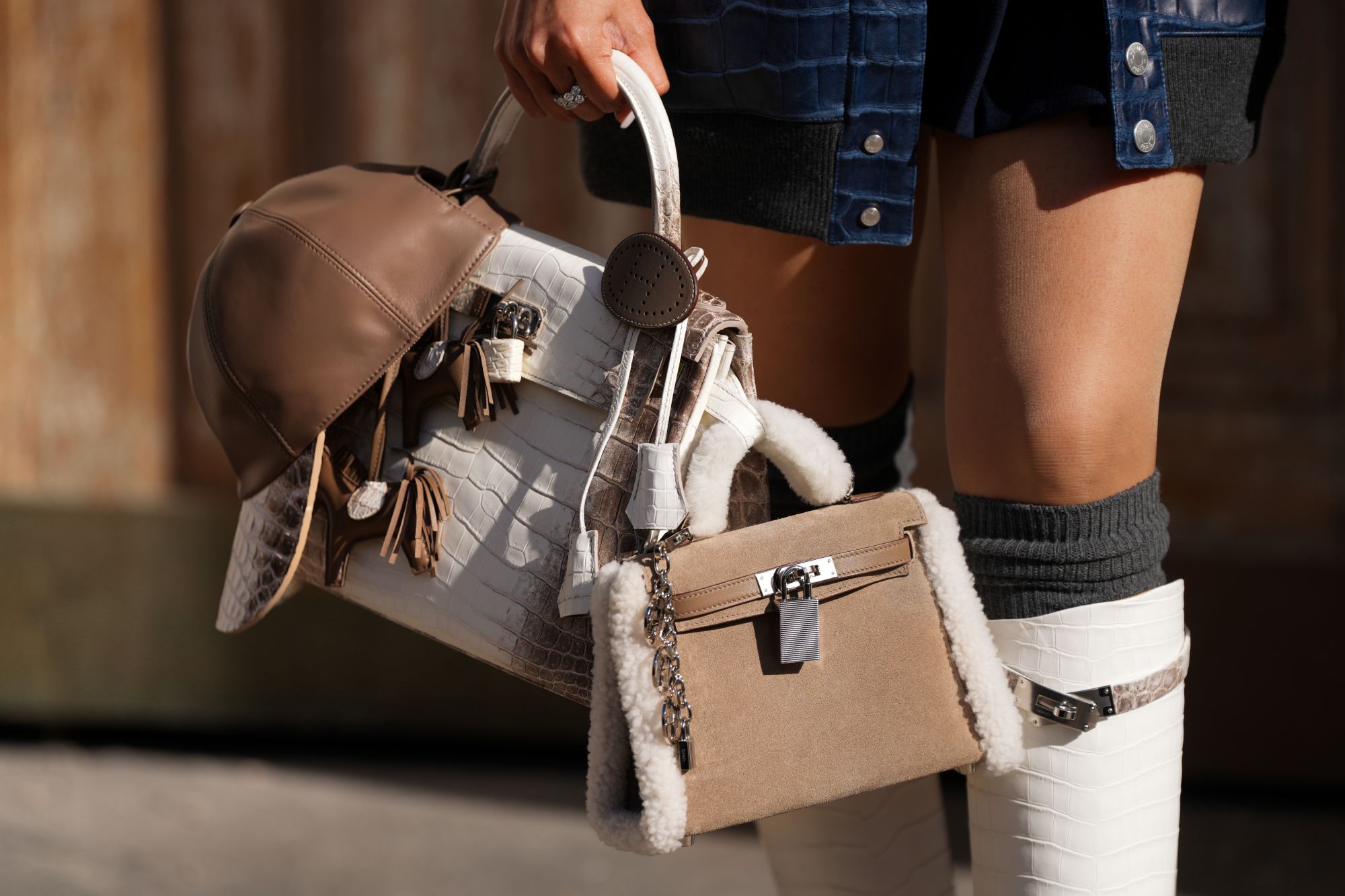
Birkin/Shutterstock
From the austere landscapes of communist-era Albania to the luminous runways of Miami Beach Swim Week, Ema Koja has spent three…
There exists a species of luxury that never announces itself—it simply inhabits the fabric of a well-lived life, blurring the…

Every new arrival deserves an inauguration into the world of refinement, and selecting the perfect gift should feel as…